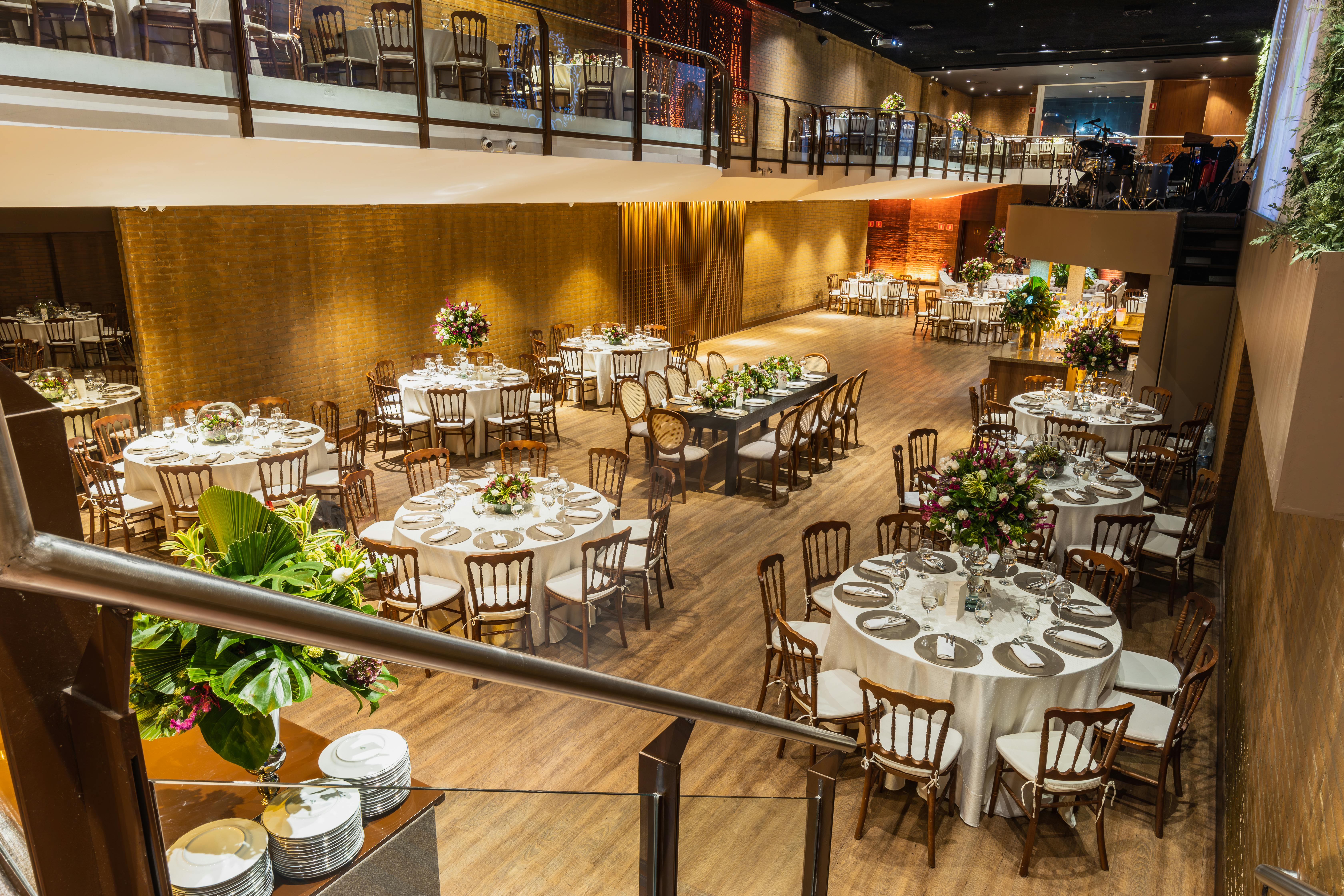
Planning a wedding involves countless decisions, from the guest list to the d??cor, and the venue often becomes the linchpin that holds everything together. Choosing a location that offers in-house catering can dramatically simplify the timeline, reduce vendor coordination, and provide a seamless experience for both the couple and their guests. By consolidating venue and food services under one roof, couples gain access to streamlined communication, consistent quality control, and the peace of mind that comes from knowing two of the most critical wedding elements are already aligned.
Why In-House Catering Makes Planning Stress-Free
When the venue also handles the culinary side, several logistical headaches disappear:
- Single Point of Contact: One coordinator manages both space and menu, eliminating the need to juggle multiple vendors.
- Consistent Timing: The kitchen operates on the same schedule as the event space, ensuring food is served exactly when needed.
- Cost Transparency: Bundled pricing often results in savings compared to hiring an external caterer and venue separately.
- Quality Assurance: The venue’s staff is familiar with the space’s facilities, leading to smoother service and fewer surprises.
For couples who value efficiency, exploring venues that integrate catering is a strategic move that aligns with modern wedding planning best practices. Discover expert strategies here to further refine the selection process.
Key Features to Look For
Menu Flexibility
A venue’s culinary team should be able to accommodate a range of dietary preferences and cultural traditions. Look for:
- Customizable tasting menus that reflect personal taste.
- Options for vegetarian, vegan, gluten-free, and allergy-aware dishes.
- Ability to incorporate family-heritage recipes or themed stations.
Venue Layout and Service Flow
The physical design of the space influences how smoothly food is delivered and enjoyed. Consider:
- Proximity of the kitchen to the dining area.
- Dedicated service stations or buffet lines that prevent crowding.
- Flexibility for both plated and family-style service.
Experience and Reputation
Research the venue’s track record with weddings specifically. Reviews, portfolio galleries, and case studies can reveal how well the in-house team handles large celebrations. Learn about our tailored solutions for evaluating venue performance.
Top Benefits for the Wedding Day Timeline
Integrating catering with the venue creates a natural rhythm for the day’s events:
- Setup Efficiency: Tables, linens, and kitchen equipment are coordinated simultaneously, reducing setup time.
- Seamless Transitions: From cocktail hour to dinner, the same staff manages each phase, maintaining momentum.
- Reduced Cleanup Complexity: One team handles post-event breakdown, freeing the couple to focus on celebration.
Couples who prioritize a relaxed timeline often find that in-house catering eliminates the “gap” moments that can otherwise cause stress. Explore advanced guides and tips on creating a fluid wedding schedule.
Budget Considerations
While bundled services can be cost-effective, it’s essential to understand the pricing structure:
- All-Inclusive Packages: Fixed rates that cover venue rental, food, staff, and equipment.
- A La Carte Options: Ability to add or remove services such as bar staffing, specialty desserts, or extra courses.
- Hidden Fees: Be aware of service charges, gratuities, and overtime rates.
Transparent contracts and detailed itemized quotes help avoid unexpected expenses. For deeper insight into budgeting strategies, Find out more about this approach.
Real-World Examples of Successful In-House Catering Venues
Below are three types of venues that consistently deliver stress-free experiences through integrated catering:
Historic Mansions
- Elegant ballrooms paired with on-site kitchens that specialize in classic, seasonal menus.
- Often include private garden spaces for cocktail receptions.
Modern Loft Spaces
- Open-concept layouts that allow for interactive food stations and customizable lighting.
- Professional culinary teams experienced in contemporary, fusion cuisine.
Resort Destinations
- All-inclusive packages that cover accommodations, venue, and catering.
- Dedicated event coordinators who manage everything from rehearsal dinner to farewell brunch.
Each of these venue categories demonstrates how the synergy between space and cuisine can transform a wedding from a logistical challenge into a memorable celebration.
Checklist for Selecting the Perfect Venue with In-House Catering
- Define the desired wedding style and guest count.
- Research venues that list in-house catering as a core service.
- Schedule tours focusing on kitchen visibility and service flow.
- Request a tasting menu that reflects dietary needs.
- Review contracts for inclusive pricing and any additional fees.
- Confirm availability of a dedicated coordinator for the wedding day.
Following this checklist ensures that couples make an informed decision that aligns with both vision and budget.
Conclusion
Choosing a wedding venue that offers in-house catering streamlines coordination, reduces stress, and often results in cost savings, all essential factors for a smooth planning journey. By evaluating menu flexibility, venue layout, reputation, and transparent pricing, couples can secure a location that supports their unique celebration while allowing them to focus on what truly matters: enjoying the day with loved ones. For further guidance on navigating venue selection and leveraging integrated services, explore the resources available at Explore advanced guides and tips.