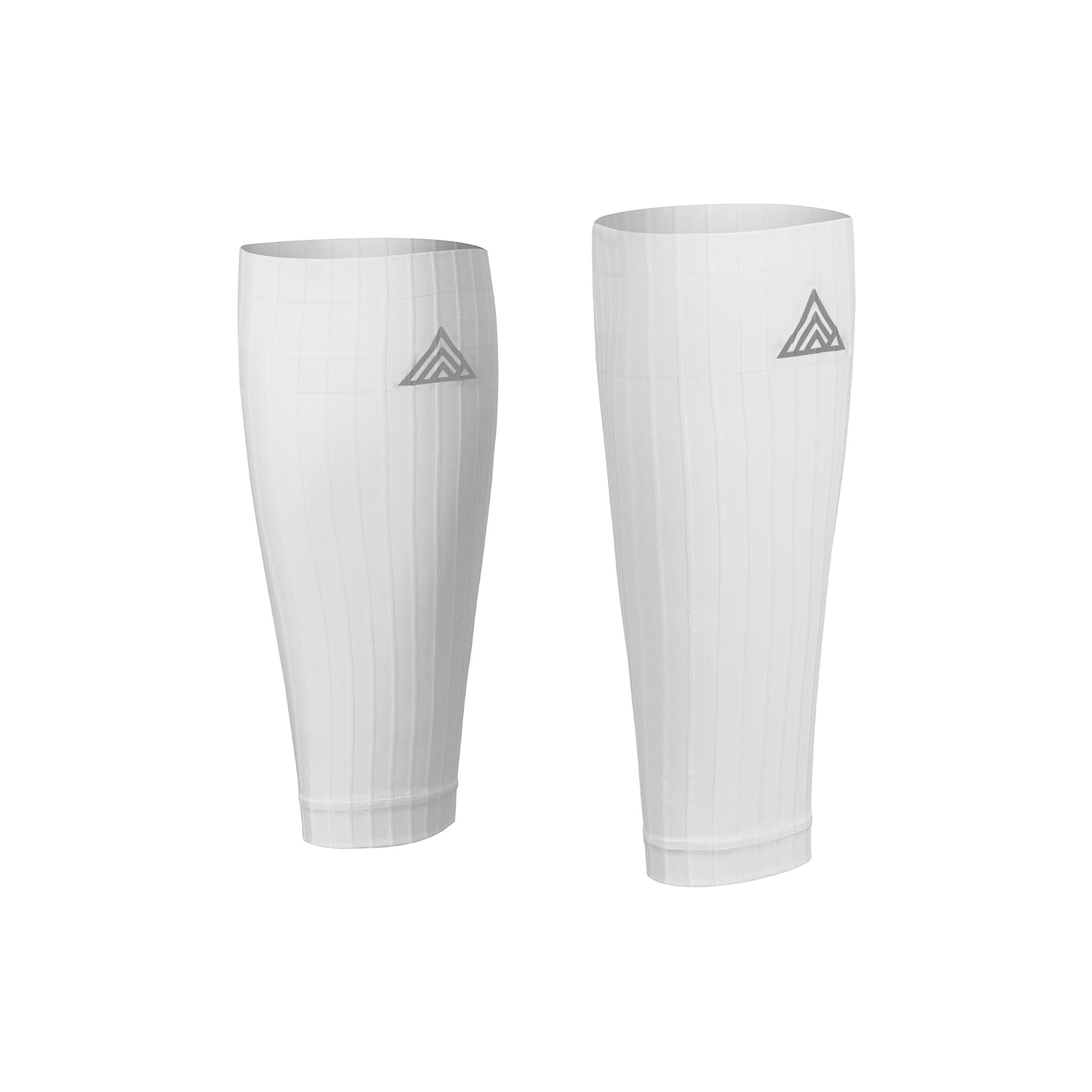
When the wind whistles across the road and every watt counts, the choice of overshoes can be the difference between a smooth ride and a drag-inducing struggle. Aero overshoes are engineered to streamline the foot-shoe interface, reduce turbulence, and protect the rider’s foot from the elements. Understanding how these specialized accessories work, and why they matter for every type of cyclist, from commuters to racers, helps riders make informed decisions that translate directly into performance gains and comfort improvements.
What Makes an Overshoe “Aero”?
The term “aero” in cycling gear refers to designs that minimize aerodynamic drag. For overshoes, this involves a combination of material selection, surface texture, and fit precision. Key characteristics include:
- Low-profile silhouette: Tapered cuffs and a snug cuff seal reduce the frontal area exposed to airflow.
- Seam-less construction: Fewer stitches and bonded seams create a smoother surface, limiting airflow disruption.
- Hydrophobic fabrics: Water-repellent materials keep the shoe dry, preventing extra weight and drag from soaked fabrics.
- Strategic ventilation: Microporous panels allow sweat to escape without compromising the aerodynamic shell.
Core Benefits for Every Rider
1. Enhanced Aerodynamics
Even a small reduction in drag can save valuable seconds over long distances. Aero overshoes create a continuous, laminar flow around the shoe, eliminating the turbulent wake that traditional rubber overshoes often produce. This effect is especially noticeable at speeds above 25″?km/h, where the aerodynamic advantage becomes cumulative.
2. Weather Protection
Beyond speed, these overshoes serve as a barrier against wind, rain, and cold. The tightly sealed cuff prevents cold air from entering the shoe, while the waterproof membrane keeps moisture out. For riders who train year-round, this dual function maintains foot temperature and reduces the risk of blisters caused by wet socks.
3. Improved Comfort and Fit
Modern aero overshoes incorporate ergonomic shaping that mirrors the natural curvature of the foot. This reduces pressure points and allows for a more natural pedal stroke. Additionally, the elasticized heel pocket keeps the shoe in place, preventing unwanted movement that can lead to fatigue.
4. Durability and Longevity
High-grade synthetics used in aero overshoes resist abrasion, UV degradation, and repeated flexing. This means riders can expect a longer service life compared to conventional neoprene options, offering better value over time.
Choosing the Right Aero Overshoe
Selecting the optimal pair involves evaluating personal riding conditions, shoe compatibility, and performance goals. Below is a quick guide to help narrow the options:
- Riding environment: For wet climates, prioritize waterproof membranes; for hot climates, look for enhanced breathability.
- Shoe type: Ensure the overshoe’s cuff length aligns with the shoe’s sole height to avoid gaps.
- Fit preference: Some riders favor a tighter, race-oriented fit, while others prefer a slightly looser feel for comfort on long rides.
- Maintenance: Choose materials that are easy to clean and quick-dry.
For a curated selection that meets these criteria, Discover expert strategies here and explore the range of options designed for various riding styles.
Integrating Aero Overshoes Into Your Training Routine
To fully reap the benefits, cyclists should incorporate overshoes thoughtfully into their training regimen:
- Start with short rides: Test the fit and feel on low-intensity rides to ensure comfort.
- Gradually increase distance: Allow the foot to adapt to the new pressure distribution.
- Monitor temperature: In hot weather, assess whether additional ventilation is needed.
- Combine with aero clothing: Pair overshoes with streamlined jerseys and bibs for a cohesive aerodynamic package.
Guidance on pairing gear for maximum efficiency can be found by Learn about our tailored solutions, which outlines how each component contributes to overall drag reduction.
Maintenance Tips for Longevity
Proper care extends the performance lifespan of aero overshoes. Follow these best practices:
- Rinse with cool water after each ride to remove dirt and salts.
- Air-dry away from direct sunlight to prevent material weakening.
- Apply a silicone-based spray occasionally to maintain water repellency.
- Inspect seams and elastic cuffs regularly; replace when signs of wear appear.
For detailed maintenance instructions, Explore advanced guides and tips that cover cleaning techniques specific to high-performance fabrics.
Real-World Impact: Case Studies
Several cyclists have reported measurable performance gains after switching to aero overshoes:
- Competitive road racer: 0.8″?% reduction in overall drag, translating to a 15-second advantage over a 120″?km race.
- Urban commuter: Improved foot warmth in winter, reducing the need for extra layers and maintaining a consistent cadence.
- Gran Fondo enthusiast: Decreased foot fatigue on 200″?km rides, allowing for a stronger finish sprint.
These outcomes illustrate how a seemingly small accessory can influence both speed and comfort. For more examples and user testimonials, Find out more about this approach and see how the technology fits diverse cycling scenarios.
Conclusion
Aero overshoes represent a convergence of aerodynamic engineering, weather protection, and ergonomic design. By reducing drag, safeguarding the foot, and enhancing comfort, they deliver tangible benefits to every cyclist, regardless of discipline or experience level. Selecting the right pair, integrating them thoughtfully into training, and maintaining them properly ensures that riders can capitalize on these advantages throughout the riding season. For a comprehensive selection and further insights, visit the dedicated collection and explore the options tailored to specific needs.