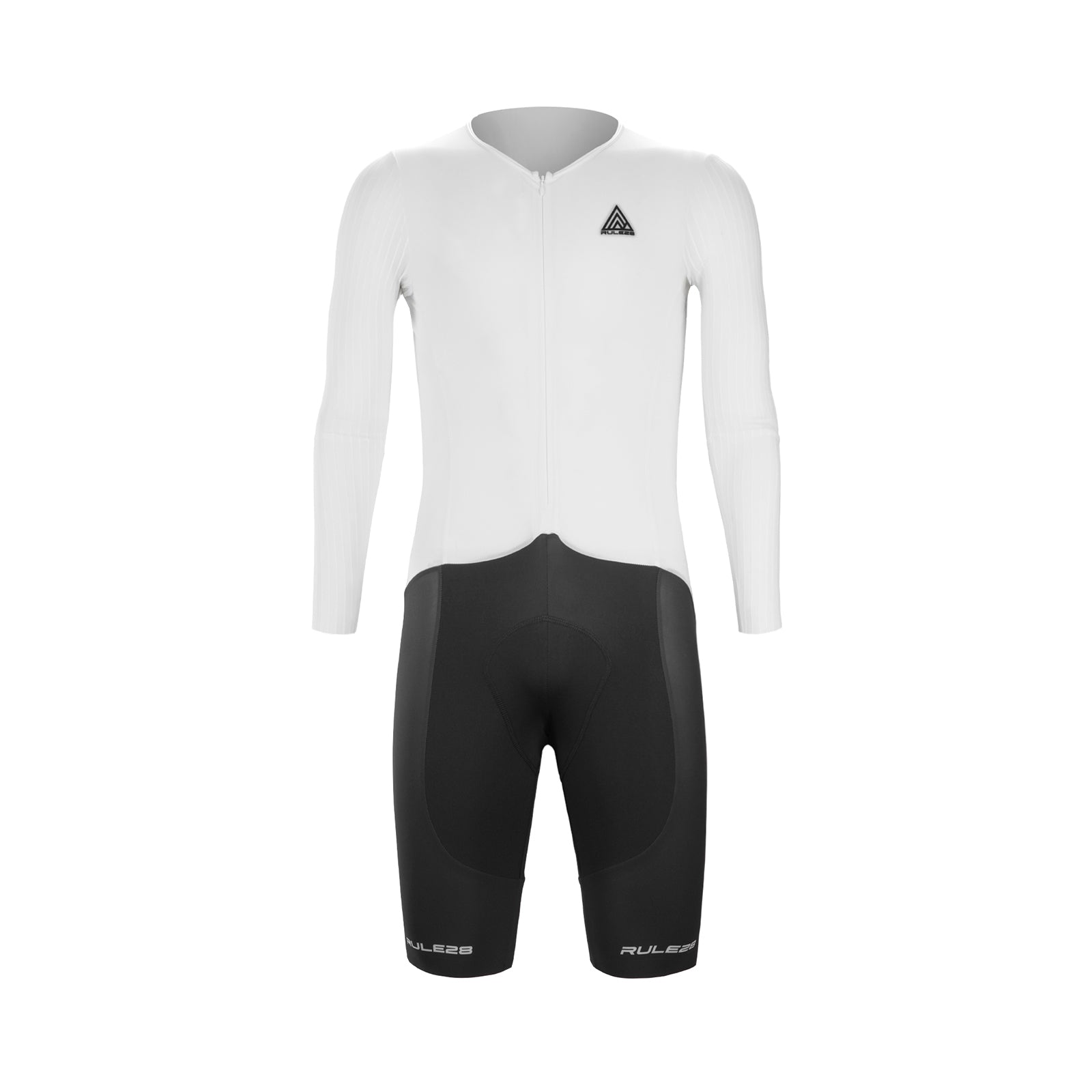
Choosing the right time trial (TT) aero kit is a critical decision for any cyclist who wants to maximize speed while maintaining comfort over long, sustained efforts. The market offers a plethora of components, from skinsuits and helmets to shoe covers and wheelsets, each promising incremental gains. However, the true advantage comes from assembling a cohesive package where every element works in harmony. This guide walks through the key considerations, performance metrics, and fit-specific factors that help riders build a TT aero package that delivers measurable results on the road or the track.
Understanding the Core Components of a TT Aero Package
Before diving into specific product choices, it is helpful to break down the main categories that contribute to overall aerodynamic efficiency:
- Clothing: Skinsuits, bib shorts, and arm covers designed to reduce drag caused by fabric bunching.
- Helmet: Time trial helmets feature elongated tails and smooth shells that streamline airflow over the head and shoulders.
- Footwear & Shoe Covers: Tight-fitting shoes paired with low-profile covers minimize turbulence around the pedal spindle.
- Bike Frame & Components: Integrated cockpit systems, aero bars, and deep-section wheels all contribute to a lower drag coefficient.
Each of these elements interacts with the others; a high-performing helmet can be negated by a loose-fitting suit, and a sleek frame can lose its advantage if the rider’s position is compromised.
Key Factors When Selecting an Aero Kit
1. Aerodynamic Data and Testing
Reliable wind-tunnel or CFD (computational fluid dynamics) data should underpin any purchase decision. Look for manufacturers that publish drag coefficients (CdA) for individual items and for the complete system. When comparing options, consider the total system drag rather than isolated numbers.
2. Fit and Comfort
Even the most aerodynamic kit will fail if it forces the rider into an uncomfortable position. Proper fit ensures:
- Consistent power output over the duration of the effort.
- Reduced risk of chafing or muscle fatigue.
- Ability to maintain an optimal aerodynamic tuck without compromising breathing.
Professional fitting services or detailed size guides are essential, especially for skinsuits and helmets.
3. Material Quality and Durability
High-tech fabrics such as 3-layer Lycra or carbon-infused composites offer both stretch and compression, which help maintain a smooth surface. For helmets, EPS foam cores combined with carbon shells provide a balance of weight savings and impact protection.
4. Compatibility with Existing Bike Setup
Some aero components, like integrated cockpit systems, may require specific frame geometries or brake configurations. Verify that the chosen kit aligns with the bike’s current specifications to avoid costly retrofits.
Prioritising Upgrades for Maximum ROI
Not every upgrade yields the same performance return. The following hierarchy helps riders allocate budget effectively:
- Helmet: Often the single largest source of drag reduction; a well-designed TT helmet can shave 10-15 watts.
- Skinsuit: A properly fitted suit typically offers a 5-10 watt gain over standard road clothing.
- Shoe Covers: Simple, low-cost additions that can recover 2-4 watts.
- Wheelset: Deep-section carbon wheels provide significant gains but at a higher price point; evaluate based on race distance and wind conditions.
For cyclists seeking a comprehensive solution, exploring the full range of options at a dedicated collection can streamline the selection process. Discover expert strategies here and compare component specifications side by side.
Practical Tips for Assembling Your Kit
- Start with a baseline test: Record power, speed, and heart rate on a familiar course in your current setup.
- Swap one component at a time: This isolates the performance impact of each upgrade.
- Use a consistent position: Keep cockpit geometry unchanged when testing new helmets or suits.
- Document conditions: Note wind speed, temperature, and road surface to ensure fair comparisons.
These systematic approaches reduce guesswork and provide quantifiable evidence of improvement.
Where to Find Tailored Solutions
Specialized retailers often curate packages that pair compatible items, simplifying the decision-making process. By selecting components from a single source, riders benefit from cohesive design language and guaranteed fit. For those interested in a curated approach, Learn about our tailored solutions that align with professional standards.
Advanced Resources for the Dedicated Athlete
Beyond the basics, deeper knowledge of aerodynamics can unlock further gains. Consider reviewing technical articles, video analyses, and data-driven guides that explain wind-tunnel testing methods and the physics of drag reduction. A well-rounded education empowers cyclists to make informed choices and communicate effectively with coaches and fitters.
For a library of detailed content, Explore advanced guides and tips that cover everything from frame geometry tweaks to wind-tunnel simulation interpretation.
Final Checklist Before Your Next Time Trial
- Helmet size verified; straps snug but not restrictive.
- Skinsuit fitted; seams aligned, no excess fabric.
- Shoe covers securely attached; no loose material.
- Wheelset cleared for clearance with frame and brakes.
- All components inspected for damage or wear.
Completing this checklist ensures that every element of the aero package functions as intended, translating aerodynamic theory into real-world speed.
For a streamlined shopping experience and access to the latest performance-focused gear, Find out more about this approach and build a TT aero package that reflects both scientific insight and practical execution.