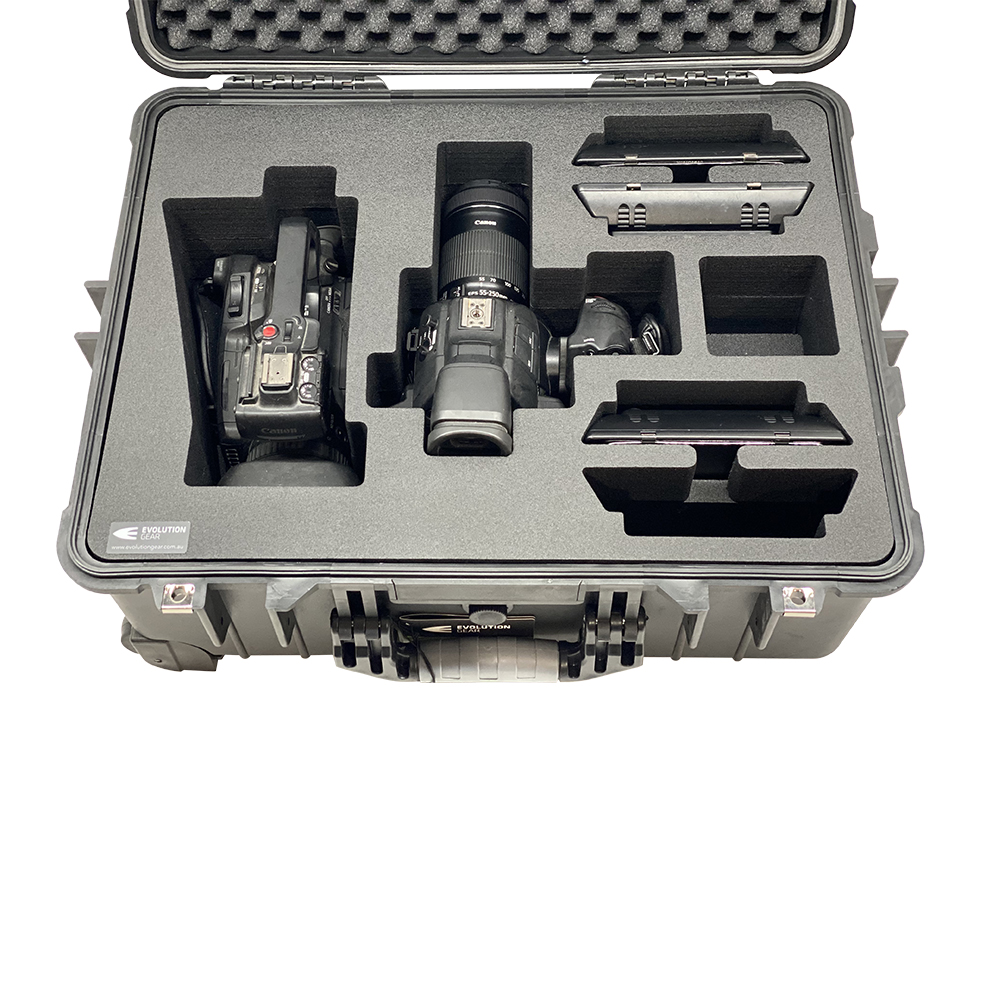
In the realm of packaging and protection, custom foam inserts stand out as a paramount solution. They offer unparalleled protection and organization, catering to a wide array of applications. By tailoring the foam to fit specific items, these inserts provide a snug fit that mitigates the risk of damage during transport or storage. Whether it?s sensitive electronics, delicate instruments, or high-value collectibles, custom foam inserts ensure items remain secure and intact. This article delves into the benefits and considerations of using custom foam inserts as a protective measure.
Benefits of Custom Foam Inserts
Custom foam inserts are designed with specific requirements in mind, offering several benefits that enhance their protective capabilities.
- Enhanced Protection: Custom foam inserts are tailored to the exact dimensions of the items they protect, ensuring a snug fit that minimizes movement and the risk of damage.
- Impact Resistance: The foam material absorbs shocks and impacts, providing a cushion that protects delicate or fragile items from damage during transit.
- Organization: By using custom foam inserts, items can be organized efficiently, reducing clutter and making it easier to locate and access them when needed.
- Professional Presentation: Custom foam inserts offer a refined look, enhancing the professional presentation of products, particularly in retail or display settings.
- Versatility: Foam inserts can be customized to fit a wide range of items, from tools and equipment to collectibles and electronics.
For those interested in exploring these benefits further, read more about this topic.
Types of Foam Materials Used
Choosing the right foam material is crucial for ensuring the effectiveness of custom foam inserts. Different materials offer varying levels of protection and support.
Polyethylene Foam
Polyethylene foam is a popular choice for custom inserts due to its durability and resistance to moisture. It offers excellent protection against impacts and abrasions, making it ideal for heavy-duty applications.
Polyurethane Foam
Known for its flexibility and cushioning properties, polyurethane foam is often used for delicate items. It provides a soft, protective barrier that is perfect for fragile or sensitive items.
Cross-linked Polyethylene Foam
Cross-linked polyethylene foam offers a high level of rigidity and resistance to chemicals and moisture. It is commonly used in applications where a robust protective layer is required.
To explore further insights here on how different foam materials can be used effectively, visit this guide.
Applications of Custom Foam Inserts
Custom foam inserts are versatile and applicable across numerous industries. Their adaptability and protective qualities make them a preferred choice in various fields.
- Electronics: Protect sensitive gadgets and devices from shocks and static discharge.
- Medical Equipment: Safeguard delicate instruments and ensure they remain sterile and secure.
- Tools and Hardware: Keep tools organized and prevent damage or loss during transport.
- Photography Equipment: Securely store and transport cameras and lenses to prevent damage.
- Retail Displays: Enhance product presentation and protect items in transit or storage.
For more detailed applications and examples, find additional information here.
Conclusion
Custom foam inserts provide an unbeatable solution for protecting and organizing items across various sectors. With their ability to be tailored to specific needs, they ensure maximum protection while offering an organized and professional presentation. By understanding the types of foam materials and their applications, businesses and individuals can make informed choices that best suit their protection needs. Learn more in this detailed guide to make the most of custom foam inserts for your protection requirements.